B.Sc. Applied Psychology (Hons./Hons. with Research)
Offered by:
Specialisation:
Clinical Psychology/Industrial and Organisational PsychologyDuration:
4 years | 8 semestersCampus:
Eligibility:
Must have successfully cleared the Higher Secondary Examination (Class XII), with a minimum of 60% or an equivalent grade.- Apply Now

Programme Outcomes
- PO1 – Complex Problem Solving
The graduates should be able to demonstrate the capability to solve different kinds of problems in familiar and non-familiar contexts and apply the learning to real-life situations. - PO2 – Critical Thinking
The graduates should be able to apply analytic thought to a body of knowledge, analyse and evaluate policies, practices, evidence, arguments, claims, and beliefs; identify assumptions and logical flaws; and synthesise data to draw valid conclusions supported by evidence. - PO3 – Creativity
The graduates should be able to create, perform, or think in diverse ways; handle complex problems; innovate; think from multiple perspectives; and apply imaginative, lateral, and emotionally intelligent thinking. - PO4 – Communication Skills
The graduates should be able to listen, read, and present complex information clearly; express ideas effectively in oral and written formats; use appropriate media; construct logical arguments; and communicate respectfully and inclusively. - PO5 – Analytical Reasoning/Thinking
The graduates should be able to evaluate evidence reliability, identify flaws in arguments, analyse and synthesise data from varied sources, and draw and support valid conclusions while addressing opposing views. - PO6 – Research-related Skills
The graduates should demonstrate observation, inquiry, problematisation, and research proposal design; define problems, formulate and test hypotheses, analyse and interpret data ethically, and apply appropriate research tools and methodologies. - PO7 – Coordinating/Collaborating with Others
The graduates should be able to work effectively and respectfully in diverse teams, coordinate group efforts, and function efficiently as team members toward common goals. - PO8 – Leadership Readiness/Qualities
The graduates should be able to plan team tasks, formulate visions, build and motivate teams, and apply management skills to guide people toward desired outcomes. - PO9 – Learning How to Learn Skills
The graduates should be able to acquire and apply new knowledge, pursue lifelong learning, work independently, manage time, and adapt to changing work demands and technology. - PO10 – Digital and Technological Skills
The graduates should be able to use ICT tools effectively in academic and professional settings, access and analyze information sources, and use relevant software for data analysis. - PO11 – Multicultural Competence and Inclusive Spirit
The graduates should appreciate cultural diversity, engage respectfully in multicultural groups, lead diverse teams, practice gender sensitivity, and show empathy for disadvantaged individuals. - PO12 – Value Inculcation
The graduates should embrace constitutional, ethical, and humanistic values; practice responsible global citizenship; identify ethical issues; follow ethical research and work practices; and support sustainability efforts. - PO13 – Autonomy, Responsibility, and Accountability
The graduates should apply knowledge with independence, manage projects through to completion, and demonstrate accountability in workplace safety, learning, and performance. - PO14 – Environmental Awareness and Action
The graduates should apply knowledge and values to address environmental issues, including climate change, waste management, biodiversity conservation, and sustainability. - PO15 – Community Engagement and Service
The graduates should participate in service activities that promote the well-being and development of society. - PO16 – Empathy
The graduates should demonstrate the ability to understand and relate to the perspectives, experiences, and emotions of others.
Programme Specific Outcomes
- PSO1 – Psychological Problem-Solving
Graduates will be able to analyse and apply psychological principles to address real-world challenges in various domains, including clinical, organisational, and social contexts. - PSO2 – Critical Thinking in Psychology
Graduates will develop the ability to critically evaluate psychological theories, research findings, and applications while identifying biases, logical flaws, and alternative perspectives. - PSO3 – Creativity and Innovation in Psychology
Graduates will demonstrate creativity in developing psychological interventions, designing research studies, and applying psychological insights to novel situations. - PSO4 – Communication and Interpersonal Skills
Graduates will effectively communicate psychological concepts, research findings, and counselling strategies in both oral and written formats, using appropriate technical language. - PSO5 – Analytical and Research Aptitude in Psychology
Graduates will possess the ability to design, conduct, analyse, and interpret psychological research using qualitative and quantitative methods while adhering to ethical research practices. - PSO6 – Teamwork and Collaboration in Psychological Practice
Graduates will be able to work effectively in multidisciplinary teams, demonstrating coordination, cooperation, and respect for diverse perspectives in psychological interventions and research. - PSO7 – Leadership and Professional Ethics in Psychology
Graduates will exhibit leadership skills in psychological practice, counselling, and research while upholding ethical standards and professional integrity. - PSO8 – Lifelong Learning and Psychological Adaptability
Graduates will develop independent learning skills, enabling them to continuously update their psychological knowledge and adapt to evolving societal and professional demands. - PSO9 – Technological Proficiency in Psychological Applications
Graduates will effectively utilise digital tools, psychological software, and data analysis techniques for assessment, research, and therapeutic interventions. - PSO10 – Multicultural Competence and Inclusivity in Psychology
Graduates will be able to apply psychological insights to diverse cultural contexts, demonstrate empathy, and foster inclusivity in mental health and social interactions. - PSO11 – Value-Based Psychological Practice
Graduates will integrate psychological knowledge with ethical and moral principles to promote social responsibility, mental well-being, and sustainable development. - PSO12 – Integration of Indian Knowledge System and Value Inculcation
Graduates will be able to integrate principles from the Indian Knowledge System into psychological theory and practice, fostering ethical conduct, cultural sensitivity, and holistic approaches to mental health and well-being. - PSO13 – Autonomy and Professional Accountability
Graduates will take independent responsibility for their professional growth, ethical decision-making, and adherence to psychological standards in various applied settings. - PSO14 – Environmental and Community Awareness in Psychology
Graduates will apply psychological insights to promote environmental sustainability, social responsibility, and community well-being through engagement and service initiatives. - PSO15 – Psychological Contributions to Society
Graduates will actively contribute to the mental health and well-being of individuals and communities through psychological counselling, awareness programs, and advocacy efforts. - PSO16 – Empathy and Emotional Intelligence
Graduates will develop and demonstrate empathy, emotional intelligence, and sensitivity to diverse human experiences, ensuring ethical and person-centred psychological practices.
Why B.Sc. Applied Psychology at CVV?
- The curriculum gives equal importance to both, natural and behavioural science aspects of the discipline.
- The curriculum is embedded with the American Psychological Association’s (APA) listed graduate attributes, with an emphasis on developing the professional and personal skills ofstudents.
- Importance is given to training students in Indian psychology and the psychology of Indians.
- High level of intellectual rigour.
- Specialisation (Minor) in the fields of Clinical Psychology and Industrial Psychology.
- Option to choose Honours with Research Degree by doing an intense 12 credit Dissertation (as per NEP guidelines-2020 Honours with Research graduates can get direct admission to PhD)*.
- Flexibility to enter or exit the programme at various stages**
- Multidisciplinary courses
- Advanced pedagogical practices
- Internship
Programme Structure
Semester I | ||
Course Name | Course Type | Credits |
Psychological Processes | Core | 4 |
Biopsychology | Core | 4 |
AEC-1: English in Context – The Essentials | Ability Enhancement Courses | 3 |
Learning from Leaders/Stress Management | Discipline Specific Minor courses | 4 |
Indic Knowledge Systems: Pride of India | Skill Enhancement Course | 3 |
Multi-Disciplinary – 1 | Multi-Disciplinary | 3 |
Environmental Studies | Value Added Courses | 2 |
Yoga | Value Added Courses | 2 |
Semester Credits | 25 | |
Semester II | ||
Course Name | Course Type | Credits |
Advanced Psychological Processes | Core | 4 |
LifeSpan Development | Core | 4 |
AEC – 2 Sanskrit/Hindi/Malayalam | Ability Enhancement Course | 3 |
Fundamentals of Clinical Psychology/Fundamentals of Business Psychology | Discipline Specific Minor courses | 4 |
SEC 2 Wellness Insights from Bagavad Gita | Skill Enhancement Course | 3 |
The Art and Science of Love and Relationships | Multi-Disciplinary | 3 |
Indic Knowledge Systems: Wisdom Through the Ages | Value Added Courses | 2 |
NSS/Introduction to Seva/Any other VACs | Value Added Course | 2 |
Semester Credits | 25 | |
Exit Option (with 42 credits) * | ||
Semester III | ||
Course Name | Course Type | Credits |
Quantitative Research Methods | Core | 4 |
Statistics for Behavioural Sciences | Core | 4 |
AEC 3: Sanskrit/Hindi/Malayalam | Ability Enhancement Course | 3 |
Indic Knowledge Systems: Self Unfoldment | Skill Enhancement Course | 3 |
Assessments in Clinical Setting/Behavioural Assessments in Organisational Settings | Discipline Specific Minor courses | 4 |
Stress and Anxiety Management | Multidisciplinary courses | 3 |
Semester Credits | 21 | |
Semester IV | ||
Course Name | Course Type | Credits |
Psychological Testing | Core | 4 |
Qualitative Research Methods | Core | 4 |
AEC - 4: Ways of the World | Ability Enhancement Course | 3 |
Psychopathology/Organisational Behaviour | Discipline Specific Minor | 4 |
Child and Adolescent Behaviour Pathology/Designing and Leading Organisations | Discipline Specific Minor | 4 |
Internship | Internship | 2 |
Semester Credits | 21 | |
Exit Option (with 84 credits) ** | ||
Semester V | ||
Course Name | Course Type | Credits |
Neuro-Psychology | Core | 4 |
Applied Social Psychology | Core | 4 |
Community Psychology | Core | 4 |
Community Intervention Skills/Corporate Training Skills | Discipline Specific Minor | 4 |
Addiction Management/Human Resource Management and Development | Discipline Specific Minor | 4 |
Semester Credits | 20 | |
Semester VI | ||
Course Name | Course Type | Credits |
Positive Psychology | Core | 4 |
Introduction to Indian Psychological Thought | Core | 4 |
Industrial Psychology | Core | 4 |
Academic Writing and Professional Communication | Core | 4 |
Principles and Practices of Psychotherapy/Organisational Development | Discipline Specific Minor | 4 |
Internship | Internship | 2 |
Semester Credits | 22 | |
Exit Option (with 126 credits) *** | ||
Semester VII | ||
Course Name | Course Type | Credits |
Personality Theories | Core | 4 |
Contemporary Trends in Psychology | Core | 4 |
Cultural Psychology | Core | 4 |
Behavioral Neuroscience | Core | 4 |
Counselling Skills and Techniques | Core | 4 |
Semester Credits | 20 | |
Semester VIII | ||
Course Name | Course Type | Credits |
Health and Yoga Psychology | Core | 4 |
Rehabilitation Psychology | Core | 4 |
Education Psychology | Core | 4 |
Indian Knowledge Traditions in Organisational Behaviour/Indigenous Psychotherapies | Discipline Specific Minor | 4 |
Forensic Psychology/Marketing and Consumer Psychology | Discipline Specific Minor | 4 |
Dissertation (Research Project) (Optional) | 12 | |
Semester Credits | 20 | |
Core Course | Credits |
Core Courses | 92 |
Ability Enhancement Courses | 12 |
Skill Enhancement Courses | 9 |
Discipline Specific Minor Courses (Minor Stream) | 40 |
Multidisciplinary Courses | 9 |
Value Added Courses | 6 |
Dissertation | 12 (optional) |
Internship | 4 |
Total Credits | 172 |
International Collaborations
1. Global Exposure and Internships
CVV’s global internship programme provides an exceptional chance for students and young professionals to acquire practical work experience in a diverse cultural and business environment. Through hands-on work assignments, mentorship, and networking opportunities, interns will gain a deep understanding of the local culture, while developing skills that are highly valued in today's global economy. CVV's global internship provides a chance to:
- Experience a different work culture
- Build a global network
- Improve language skills
- Develop cross-cultural skills
- Reflection and evaluation
2. Distinguished Visiting Faculty
Prof. Annette Leonhardt
University of Munich, Germany
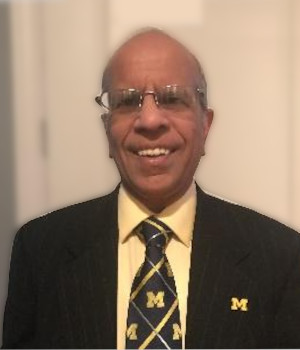
Prof. Roger Natarajan
Actuarial Program Director
University of Michigan, USA
Prof. Craig Hassed
Monash University, Australia
Prof. Uma S.Kambhampati
Head of School, School of Politics Economics and International Relations
Professor of Economics, Department of Economics, University of Reading, UK
Prof. Bernadine Van Gramberg
Professor and Academic Board Chair Federation University Australia
Prof. Timothy Marjoribanks
Associate Dean Research
School of Business, Law and Entrepreneurship at Swinburne University of Technology, Australia
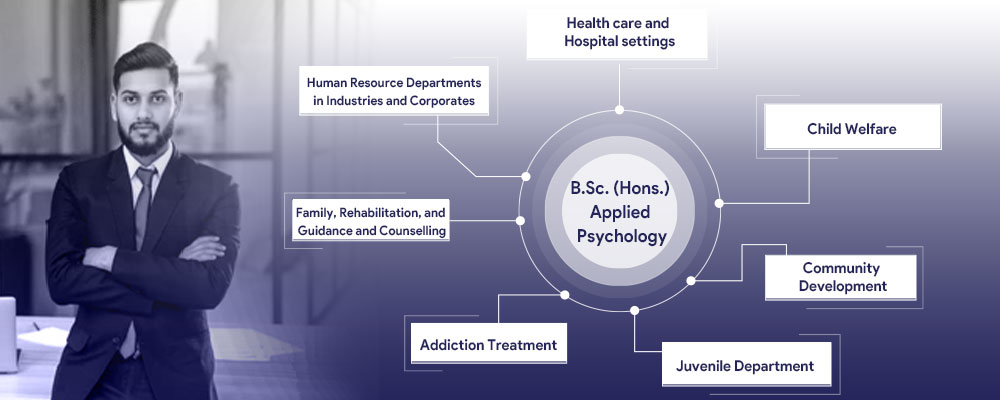
Higher Studies & Career Avenues
Alumni Testimonial
Student Achievements

S Gouri
2020 Batch(2020-2023)
Member of British Psychological Association (BPS)
Received offer letter from Bath University for M.Sc. Applied Psychology

Devangana Maneesh
2020 Batch (2020-2023) Received offer letter from University of Plymouth for M.Sc. Clinical Psychology

School FESTS
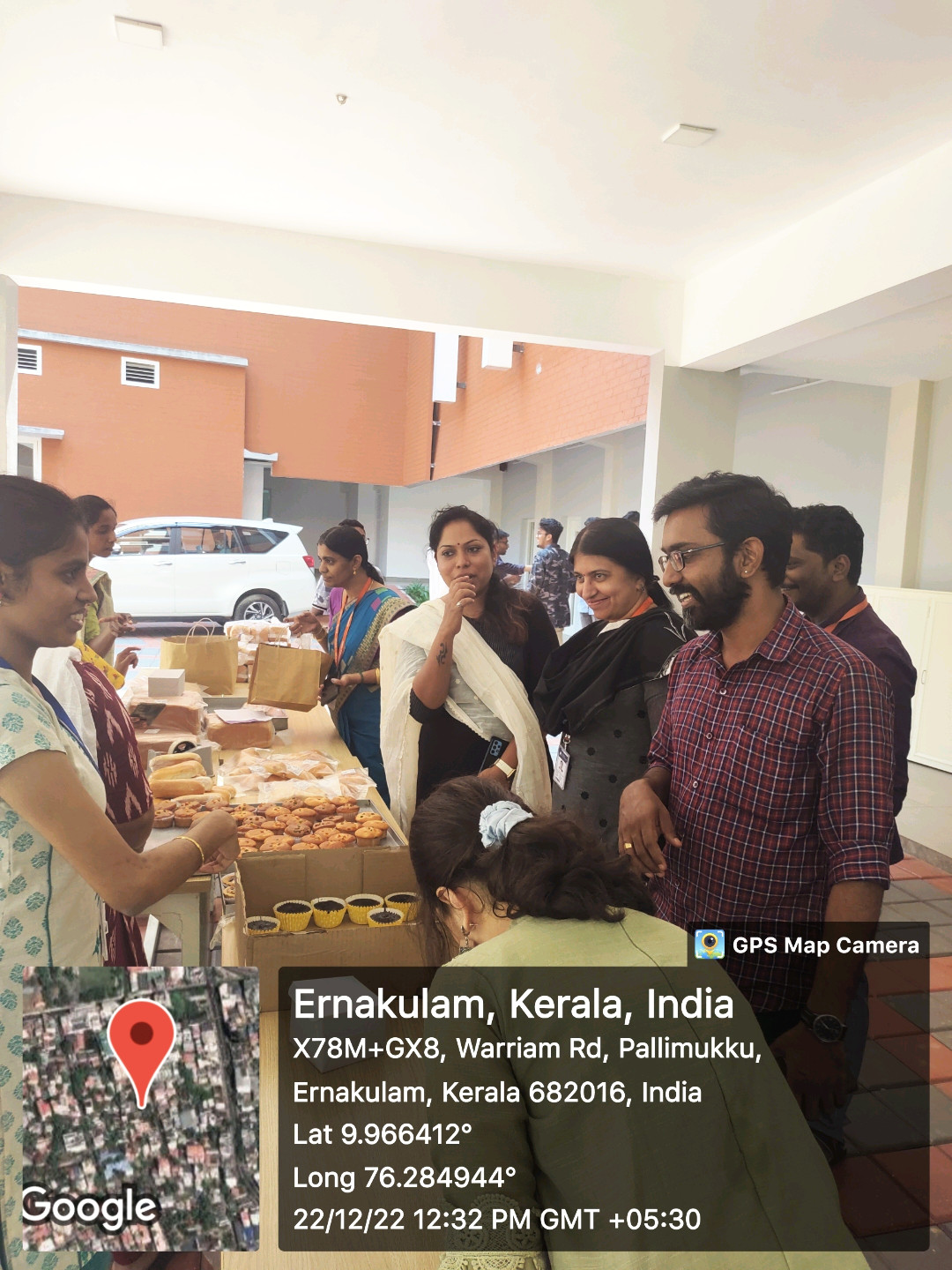
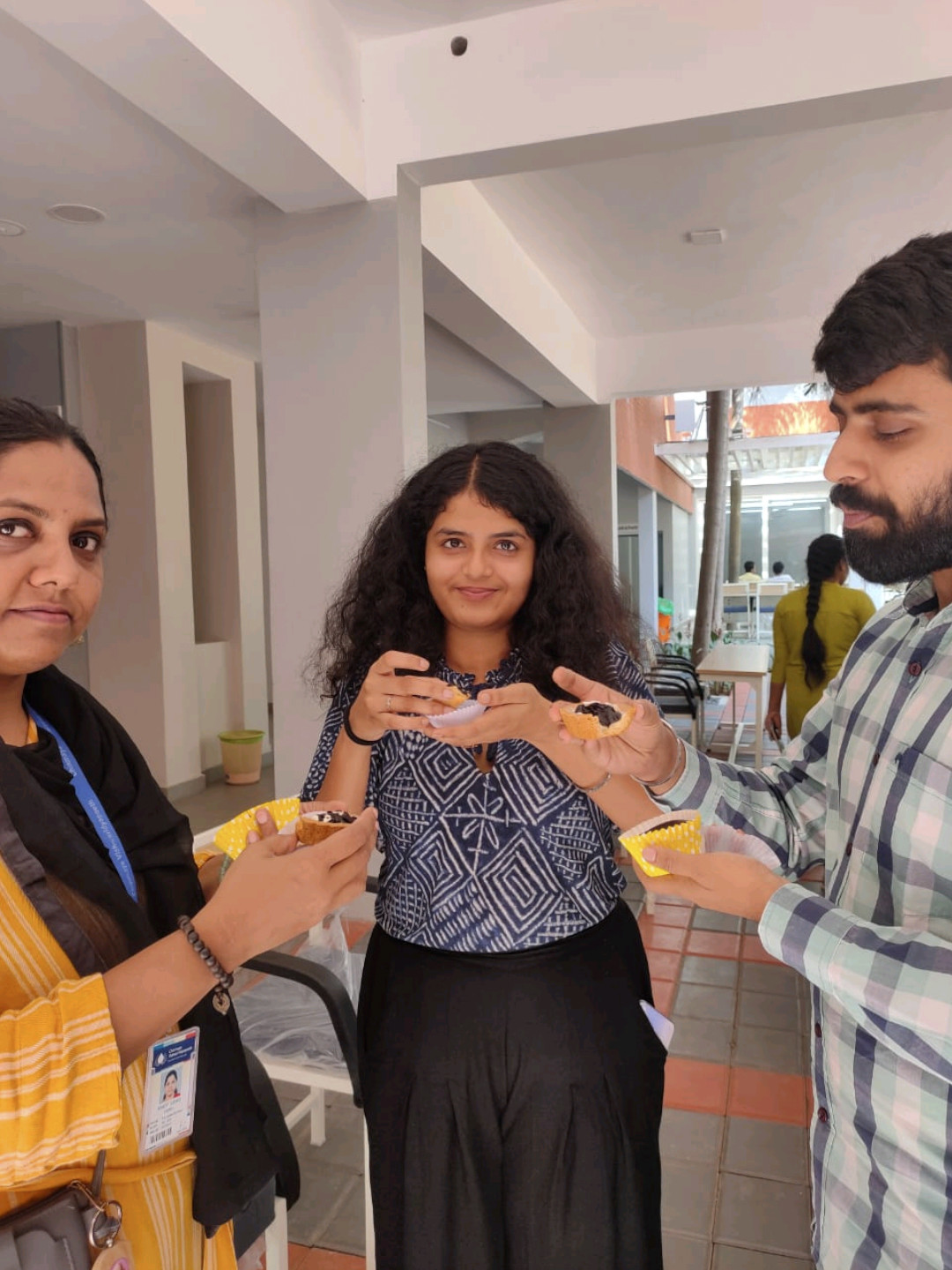
Food Exhibition
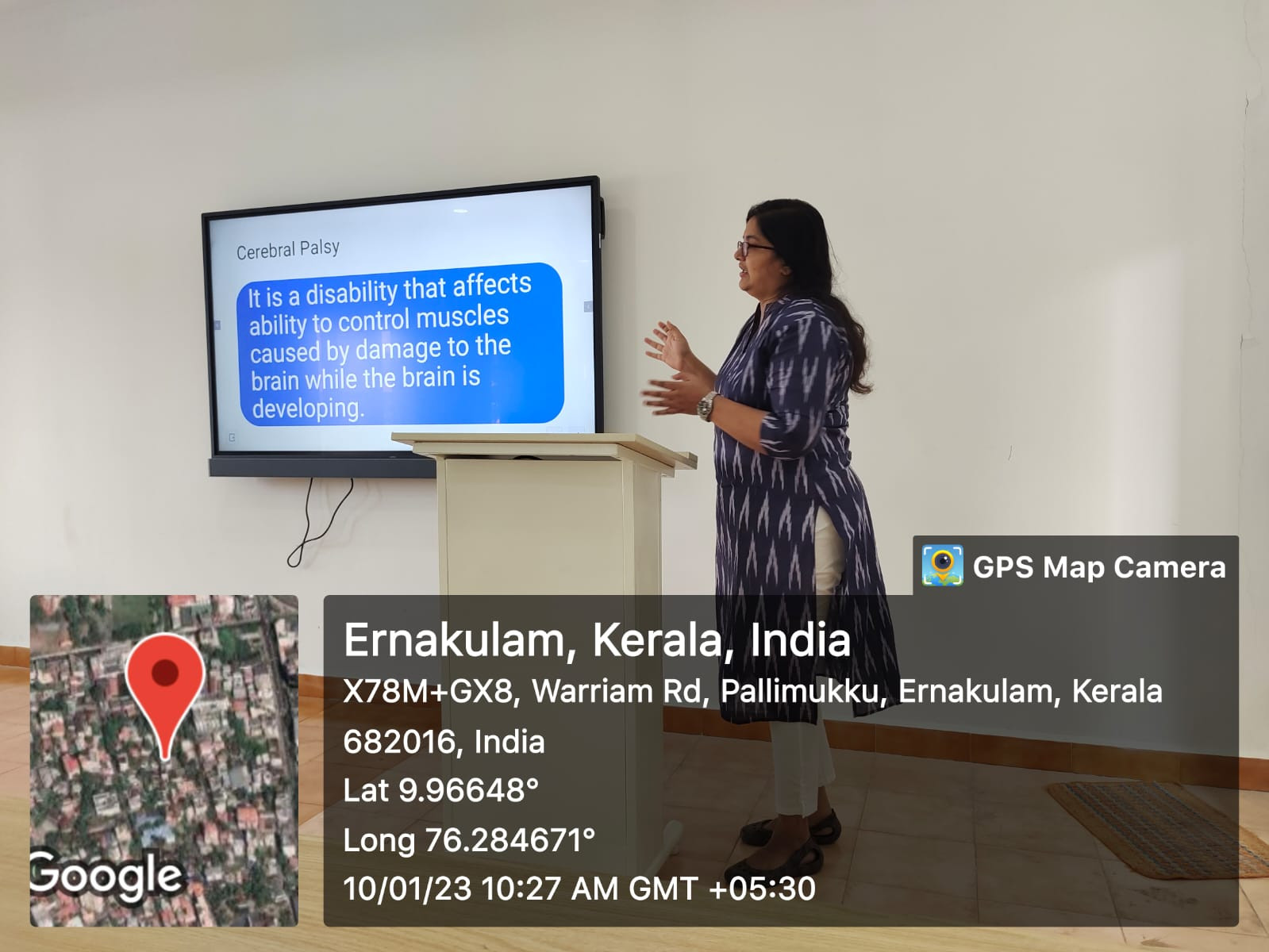
PPSH organised a food fest in association with Adarsh Special School. The food items sold were exclusively made by the differently abled students.
Disability Day Celebrations
PPSH celebrated International week of persons with disability by conducting a sports day for the differently abled students at Adarsh Special School.
Fee Structure: Academic Year 2023-24
| Annual Tuition Fee | Activity Fee | Annual Programme Fee (Tuition + Activity) |
|---|---|---|
| 1,27,050 | 3,500 | 1,30,550 |
Expert Teaching Faculty
Professor Emeritus