M.Sc. Clinical Psychology
Offered by:
Duration:
2 years | 4 semestersCampus:
Eligibility:
A minimum of 55% of marks or its equivalent CGPA in B.A. or B.Sc. Psychology- Apply Now

- PO1 – Complex Problem Solving Demonstrate the ability to solve a variety of problems in familiar and unfamiliar contexts and apply psychological learning to real-life situations.
- PO2 – Critical Thinking Apply analytical thinking to evaluate evidence, arguments, policies, and practices while identifying assumptions, and logical flaws, and drawing valid conclusions.
- PO3 – Creativity Innovate and approach problems from multiple perspectives, think divergently, and generate solutions in unfamiliar contexts using imaginative and lateral thinking.
- PO4 – Communication Skills Effectively articulate complex psychological ideas in oral and written formats using appropriate media and respectful language across diverse audiences.
- PO5 – Analytical Reasoning/Thinking Evaluate evidence, identify logical flaws, analyse and synthesise data, and draw evidence-based conclusions, addressing opposing viewpoints where necessary.
- PO6 – Research-Related Skills Formulate research questions, apply appropriate methodologies, use analytical tools, and adhere to ethical standards in designing and conducting research.
- PO7 – Coordination and Collaboration Work efficiently and respectfully in diverse teams, promoting cooperation, shared goals, and effective group dynamics.
- PO8 – Leadership Qualities Demonstrate the ability to lead teams, formulate and communicate visions, inspire others, and guide group efforts to achieve objectives.
- PO9 – Lifelong Learning Skills Acquire and apply knowledge independently, adapt to the evolving demands of the field, and manage time and learning goals effectively for continuous personal and professional growth.
- PO10 – Digital and Technological Skills Utilise ICT and digital tools to access, evaluate, and analyse information and data relevant to psychological practice and research.
- PO11 – Multicultural Competence and Inclusivity Exhibit awareness of cultural values, demonstrate respect for diversity, practice gender sensitivity, and lead inclusive teams in varied cultural settings.
- PO12 – Value Inculcation Uphold ethical standards, embrace humanistic and constitutional values, promote sustainability, and act with integrity in academic, research, and professional settings.
- PO13 – Autonomy and Accountability Work independently with responsibility, manage projects effectively, and uphold safety, ethics, and accountability in professional practices.
- PO14 – Environmental Awareness and Action Apply knowledge and skills to engage in sustainable practices, manage natural resources responsibly, and contribute to mitigating environmental challenges.
- PO15 – Community Engagement and Service Participate in community-focused psychological services and outreach to enhance societal well-being.
- PO16 – Empathy Demonstrate understanding of others’ perspectives, experiences, and emotions, promoting human-centred and compassionate psychological practice.
- PSO1 – Advanced Clinical Problem-Solving
Apply psychological theories, evidence-based practices, and diagnostic frameworks to assess, conceptualise, and intervene in complex mental health issues across diverse populations. - PSO2 – Critical Thinking in Psychological Practice
Critically analyse psychological concepts, therapeutic interventions, and research findings, integrating them into clinical decision-making with ethical sensitivity. - PSO3 – Innovative Therapeutic Approaches
Demonstrate creative and flexible thinking in clinical settings by designing personalised intervention plans and adapting therapeutic techniques to meet individual client needs. - PSO4 – Professional Communication in Clinical Contexts
Communicate psychological insights effectively through verbal, written, and non-verbal means, facilitating collaboration with clients, families, and interdisciplinary mental health teams. - PSO5 – Clinical Reasoning and Analytical Thinking
Evaluate psychological assessments, treatment plans, and case formulations critically to ensure evidence-based, client-centred decision-making. - PSO6 – Research Proficiency in Clinical Psychology
Design and conduct empirical research using appropriate methodologies and ethical considerations to contribute to scientific understanding and practice in mental health. - PSO7 – Collaboration in Mental Health Settings
Function effectively within multidisciplinary teams by coordinating with medical, social work, and community stakeholders for holistic mental health care. - PSO8 – Leadership in Clinical and Research Settings
Take initiative and leadership roles in mental health services, research initiatives, and community-based psychological interventions to influence policy and practice. - PSO9 – Lifelong Learning and Adaptability
Engage in continuous professional development and adapt to emerging trends, techniques, and policies in the field of clinical psychology. - PSO10 – Digital and Technological Competence in Mental Health
Utilise digital tools, teletherapy platforms, AI-enabled applications, and other technologies to enhance assessment, intervention, and psychological research. - PSO11 – Multicultural Competence in Psychological Practice
Provide culturally sensitive care by recognising and integrating the influence of diverse cultural, religious, gender, and societal factors on mental health. - PSO12 – Ethical and Value-Based Clinical Practice
Adhere to ethical codes and professional values, ensuring client confidentiality, dignity, and rights in both therapeutic and research contexts. - PSO13 – Autonomy and Professional Responsibility
Demonstrate independence in clinical decision-making while being accountable for therapeutic processes, risk management, and legal compliance. - PSO14 – Environmental and Social Consciousness in Mental Health
Understand and address the psychological impact of ecological changes, environmental stressors, and socio-political challenges on individual and community mental health. - PSO15 – Community Engagement and Psychological Well-being
Design and implement community-based mental health programs that foster resilience, awareness, and collective psychological well-being. - PSO16 – Empathy and Compassion in Clinical Practice
Exemplify deep empathy and emotional attachment, providing client-centred support with cultural humility and compassionate care.
Why M.Sc. Clinical Psychology at CVV?
Highlights of the Programme
International Collaborations
1. Global Exposure and Internships
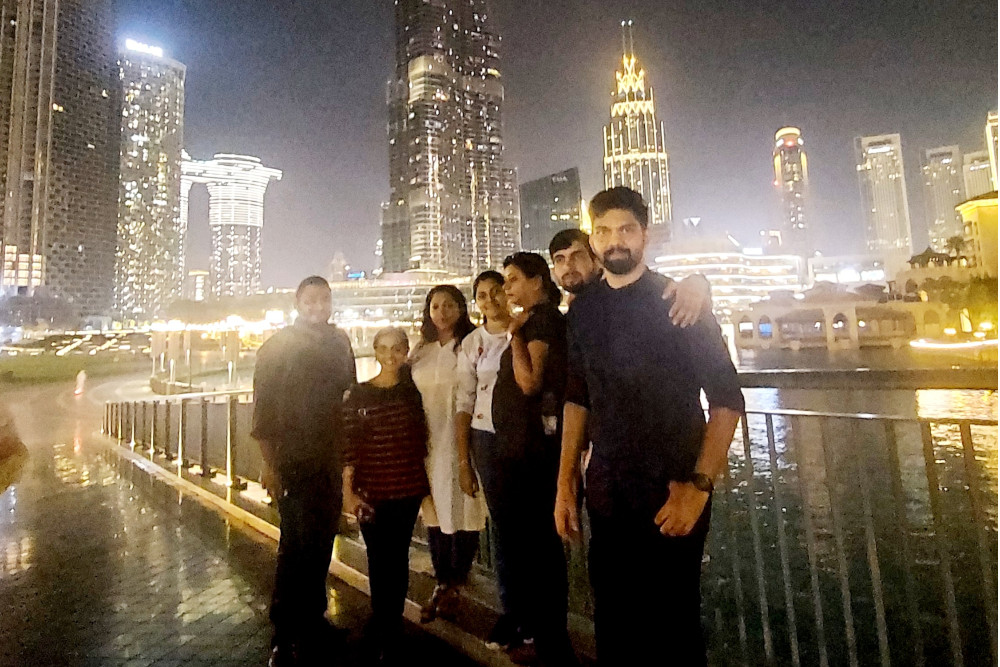
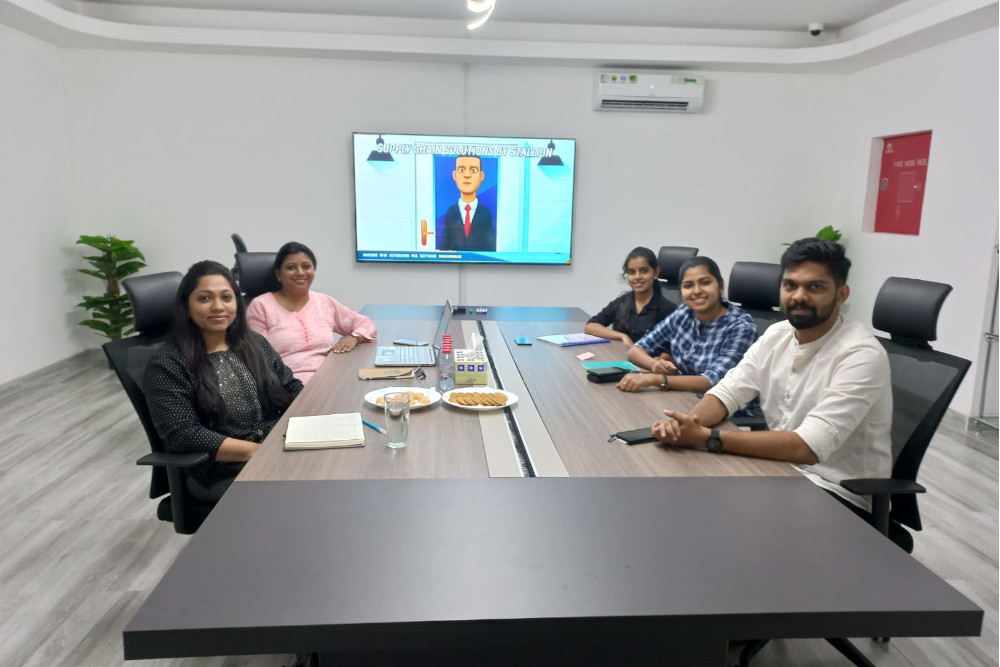
CVV’s global internship programme provides an exceptional chance for students and young professionals to acquire practical work experience in a diverse cultural and business environment. Through hands-on work assignments, mentorship, and networking opportunities, interns will gain a deep understanding of the local culture, while developing skills that are highly valued in today's global economy. CVV's global internship provides a chance to:
- Experience a different work culture
- Build a global network
- Improve language skills
- Develop cross-cultural skills
- Reflection and evaluation

2. Distinguished Visiting Faculty

Prof. Annette Leonhardt
University of Munich, Germany
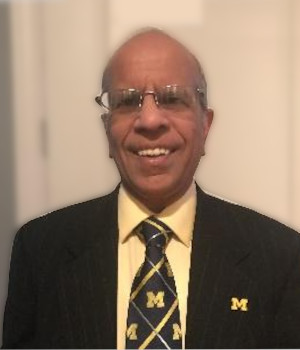
Prof. Roger Natarajan
Actuarial Program Director
University of Michigan, USA
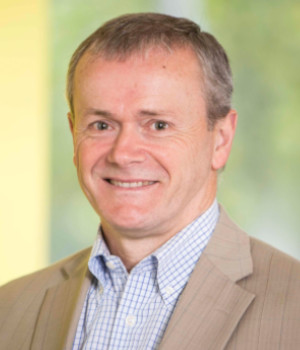
Prof. Craig Hassed
Monash University, Australia

Prof. Uma S.Kambhampati
Head of School, School of Politics Economics and International Relations
Professor of Economics, Department of Economics, University of Reading, UK

Prof. Bernadine Van Gramberg
Professor and Academic Board Chair Federation University Australia
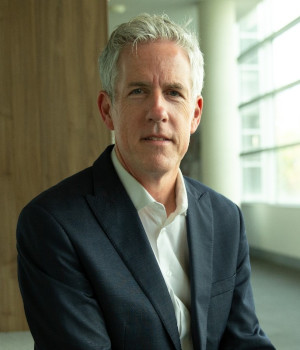
Prof. Timothy Marjoribanks
Associate Dean Research
School of Business, Law and Entrepreneurship at Swinburne University of Technology, Australia
Programme Structure
Semester I | ||
| Course Name | Course Category | Credits |
| Personality Theories | Core | 4 |
| Psychiatry | Core | 4 |
| Cognitive Neuroscience: Advanced Cognitive Psychology | Core | 5 |
| Elective 1: Applied Health Psychology / Elective 2: Educating students with special needs | GE | 3 |
| Psychodiagnostic-1 (Practical) | Core | 4 |
| Clinical Training | Core | 4 |
| Total Semester Credits | 24 | |
Semester II | ||
| Course Name | Course Category | Credits |
| Cognitive Neuroscience: Neuropsychology | Core | 6 |
| Advanced Research Methods: Quantitative | Core | 4 |
| Psychodiagnostics-2 (Practical) | Core | 4 |
| Elective 1: Child and Adolescent Psychology / Elective 2: Applied School Psychology | GE | 4 |
| Clinical Training | Core | 5 |
| Total Semester Credits | 24 | |
Semester III | ||
| Course Name | Course Category | Credits |
| Psychotherapy | Core | 6 |
| Cognitive Behaviour Therapy: Behaviour Therapy | Core | 4 |
| Qualitative Research Methods | Core | 4 |
| Scientific Writing | GE | 3 |
| Clinical Training | Core | 6 |
| Total Semester Credits | 23 | |
Semester IV | ||
| Course Name | Course Category | Credits |
| Cognitive Behaviour Therapy: Cognitive Therapy | Core | 4 |
| Positive Clinical Psychology | Core | 4 |
| Indian Approaches to Psychotherapy | Core | 4 |
| Dissertation | Core | 6 |
| Clinical Training | Core | 6 |
| Total Credits | 24 | |
| Core Courses (Compulsory courses) | 87 |
| General Electives | 7 |
| Total Credits | 94 |
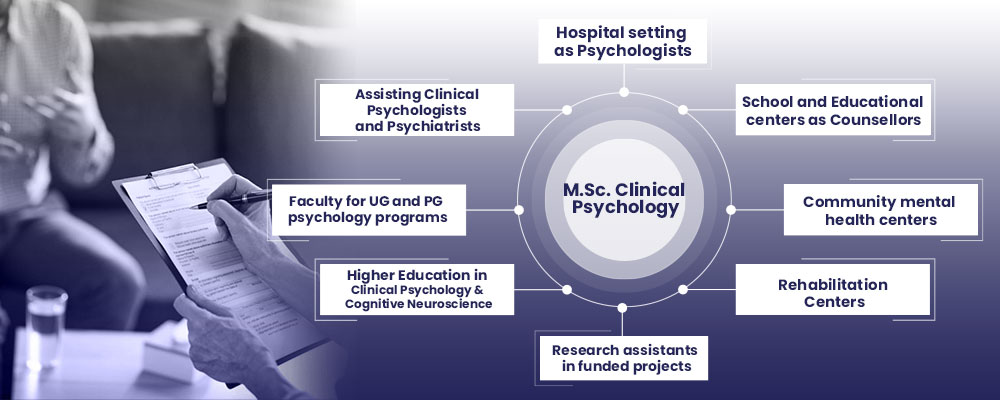
Higher Studies & Career Avenues
Fee Structure: Academic Year 2023-24
| Annual Tuition Fee | Activity Fee | Annual Programme Fee (Tuition + Activity) |
|---|---|---|
| 1,42,300 | 3,500 | 1,45,800 |
Expert Teaching Faculty


Associate Professor

Assistant Dean | Assistant Professor