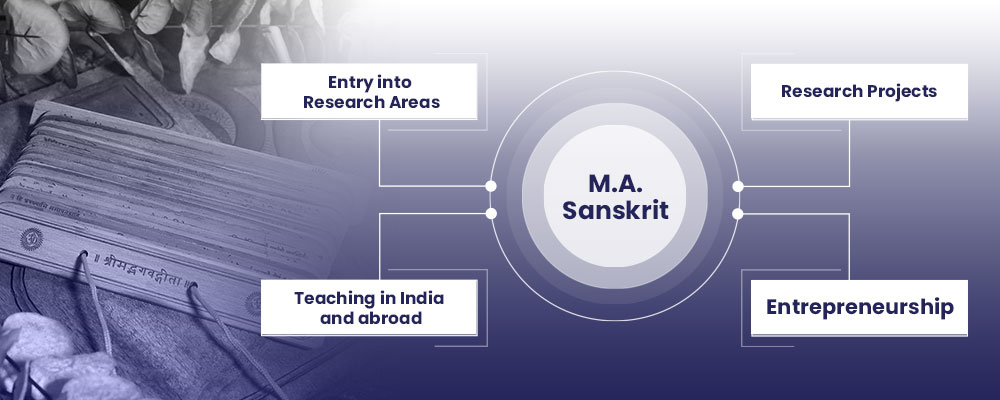
M.A. Sanskrit

Programme Outcomes:
Students graduating from this programme will:
  1. Possess enhanced readiness for teaching and research within and outside India.
  2. Develop knowledge and skills to become globally competitive.
  3. Develop readiness to partake in the nation-building process.
  4. Emerge as life-long learners.
  5. Hold a positive attitude towards human beings disregarding their diversity.
  6. Acquire knowledge of and practice Indian Knowledge Systems and Traditions.
Programme Specific Outcomes:
  1. Good introductory-level knowledge of all disciplines of Indic Knowledge Systems and their relevance
  2. A detailed understanding of Sanskrit Vyākaraṇa, Alaṅkāraśāstra and Darśana
  3. Reading, Writing and Speaking proficiency in the Sanskrit language
  4. Comprehensive knowledge in any of the disciplines of IKT of their choice
  5. Developed an interdisciplinary approach in teaching and research
  6. The first-hand experience of research with a good understanding of research methodology
  7. Acquired adequate knowledge and skills to be a teacher/lecturer and a researcher in the Sanskrit language and the aforementioned disciplines
  8. Developed a temperament to live a healthy life and to make positive contributions to society

Why M.A Sanskrit at CVV?

Highlights of the Programme

  • The M.A. Sanskrit programme is an innovative offering that aims to enhance traditional postgraduate courses in Sanskrit and Sanskrit Studies. It combines traditional śāstric topics with contemporary subjects to meet the needs of students today.
  • Students enrolled in the programme will benefit from the expertise of young and enthusiastic scholars at CVV, who bring a fresh perspective and energy to the learning environment.
  • The programme equips students with the ability to teach and explain śāstric topics in both Sanskrit and English, enhancing their career prospects and enabling effective communication with a wider audience.
  • A unique feature of the programme is the opportunity for internships in both India and abroad, providing students with valuable practical experience and exposure to diverse cultural and academic settings.
  • The M.A. Sanskrit programme at CVV priortises research-oriented teaching and learning, encouraging students to explore their interests, engage with original sources, and develop critical thinking skills.
  • Students also have the chance to undertake research projects, contributing to the field of Sanskrit studies and gaining valuable research experience.
  • The M.A. Sanskrit programme provides the opportunity to explore and develop their personal passions in an informal manner along with academic studies.

International Collaborations

1. Global Exposure and Internships

CVV’s global internship programme provides an exceptional chance for students and young professionals to acquire practical work experience in a diverse cultural and business environment. Through hands-on work assignments, mentorship, and networking opportunities, interns will gain a deep understanding of the local culture, while developing skills that are highly valued in today's global economy. CVV's global internship provides a chance to:

  • Experience a different work culture
  • Build a global network
  • Improve language skills 
  • Develop cross-cultural skills
  • Reflection and evaluation

2. Distinguished Visiting Faculty

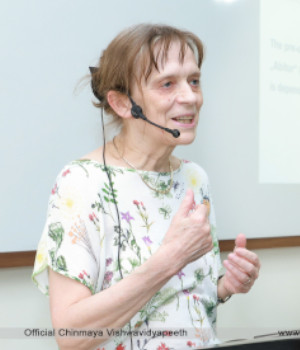
Prof. Annette Leonhardt​

University of Munich, Germany

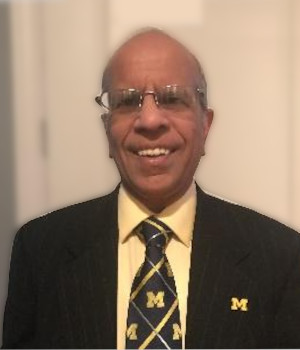
Prof. Roger Natarajan

Actuarial Program Director
University of Michigan, USA

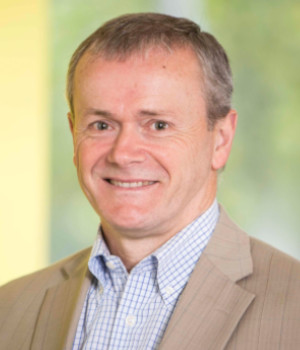
Prof. Craig Hassed

Monash University, Australia

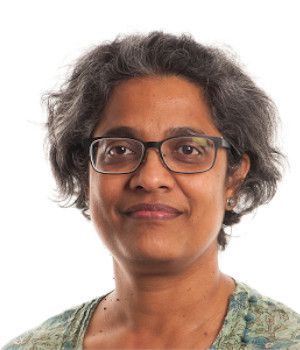
Prof. Uma S.Kambhampati​

Head of School, School of Politics Economics and International Relations
Professor of Economics, Department of Economics, University of Reading, UK

Prof. Bernadine Van Gramberg

Professor and Academic Board Chair Federation University Australia

Prof. Timothy Marjoribanks​

Associate Dean Research
School of Business, Law and Entrepreneurship at Swinburne University of Technology, Australia

Programme Structure

Semester I

Semester I

Course NameCourse CategoryCredits
Literature and Aesthetics – Padya and CampuCore4
Philosophy of life: Perspectives from the UpanisadsCore3
Sanskrit Grammar – Karaka and SamasaCore4
Vagvyavaharadarsa – A Guide for Sanskrit TransactionCore4

Poetics - A study on Literary Concepts

Core4
Total Semester Credits19
Semester II
Semester II
Course NameCourse CategoryCredits
A Critical Study of DhvanyalokaCore4
Sanskrit Rupakam – An Applied PerspectiveCore4
Indic Philosophy - Foundational PrinciplesCore4
InternshipCore3
Elective 1Elective3
Elective 2Elective3
Total Semester Credits21
Semester III

Semester III

Course NameCourse CategoryCredits
Sanskrit Literature - A Critical HistoryCore4
Research MethodologyCore4
Sankhyakarika YogasutrancaCore4
Elective 3Elective3
Elective 4Elective3
Elective 5Elective3
Total Semester Credits21
Semester IV

Semester IV

Course NameCourse CategoryCredits
Vedic Language and LiteratureCore4
Artha and Kama - Readings from Kautilya and VatsyayanaCore4
DissertationCore6
Elective 6Elective3
Total Credits 17
Other Details
Core Courses (Compulsory courses)60
Electives18
Total Credits78

Higher Studies & Career Avenues

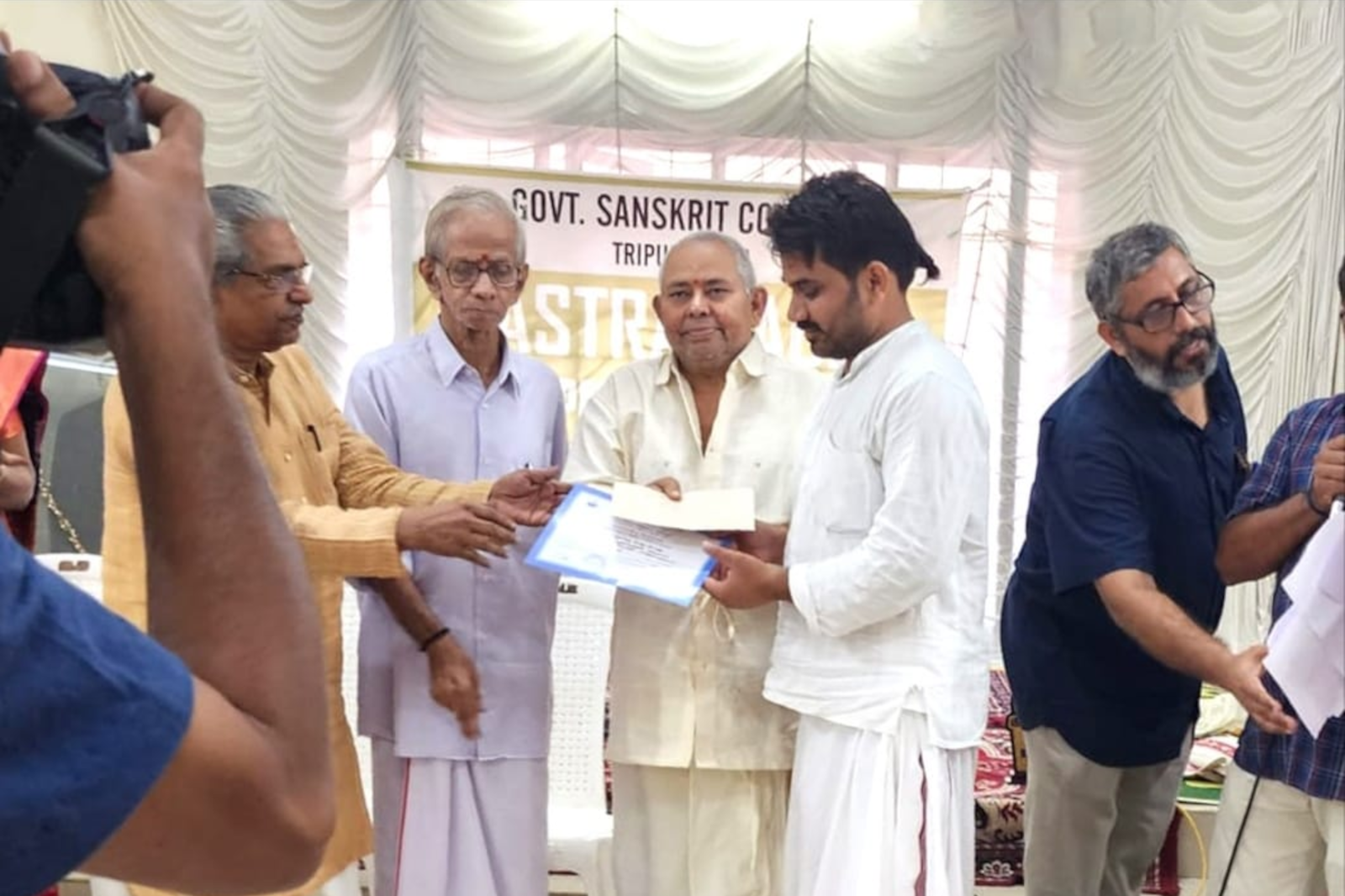
Student Achievements

Hanuman S Dhondge

2022 Batch

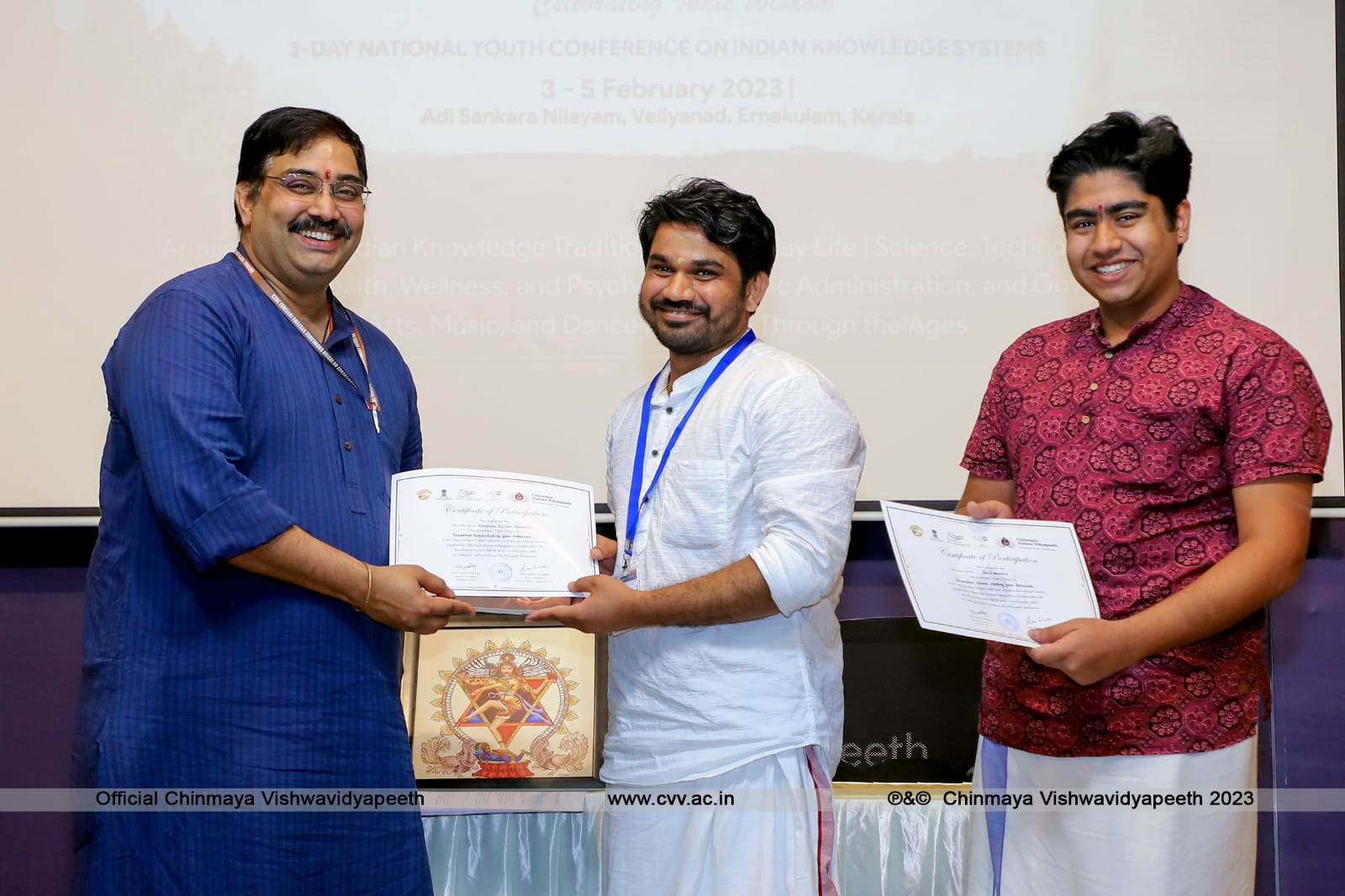
Third prize in National Youth Conference​

Hanuman S Dhondge

2022 Batch

IInd Prize in National Level Nyaya Vakyartha
School FESTS

Fee Structure: Academic Year 2023-24

Annual Tuition FeeActivity FeeAnnual Programme Fee (Tuition + Activity)
70,0003,50073,500

Upto 100% scholarships are available for meritorious students. Please connect with the Admissions Office for more details.

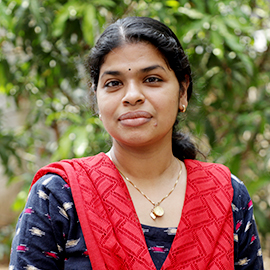
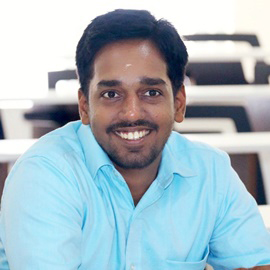
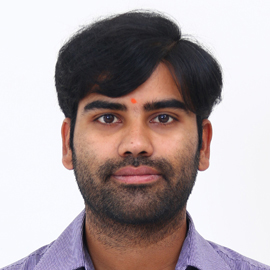
Expert Teaching Faculty

Assistant Professor & Head
DR. VISHAKA VENKAT Assistant Professor School of Linguistics & Literary Studies
Assistant Professor
DR. M SUDARSHAN CHIPLUNKAR Assistant Professor School of Linguistics & Literary Studies
Assistant Professor
Assistant Professor
Assistant Professor

Faculty

×